
Trucking Philippines: The Backbone of Domestic Logistics and Supply Chain Movement
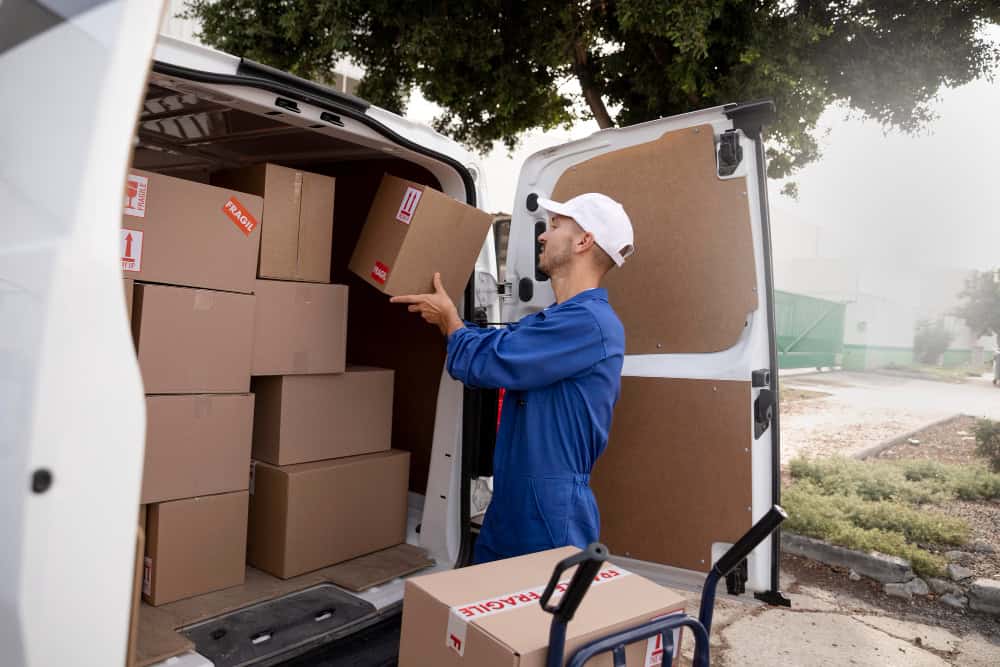
In a rapidly growing economy like the Philippines, efficient logistics and reliable transportation are essential for connecting businesses, industries, and consumers. Among the many sectors that power the country’s trade and distribution network, Trucking Philippines stands as one of the most vital components. From the movement of raw materials to the delivery of finished goods, Trucking Philippines ensures that every supply chain in the country functions smoothly and efficiently.
This comprehensive guide explores the trucking industry in the Philippines — its importance, structure, types of services, challenges, and emerging trends that continue to shape the country’s logistics landscape.
1. The Importance of Trucking in the Philippine Economy
The Trucking Philippines industry is the backbone of land transportation and domestic logistics. The Philippines, with its archipelagic geography of over 7,000 islands, relies heavily on a multimodal transport system involving sea, air, and land. However, trucking services in the Philippines remain the primary mode of freight transportation, especially on the major islands of Luzon, Visayas, and Mindanao.
According to government and logistics data, more than 70% of inland freight in the Philippines is moved by trucks. These vehicles transport goods from manufacturing plants, ports, and distribution centers to retailers and end consumers.
Trucking services are essential for:
- Connecting ports to inland destinations for imported and exported goods.
- Distributing agricultural and industrial products throughout the country.
- Supporting eCommerce and retail logistics with last-mile and regional delivery.
- Facilitating economic growth by linking rural producers to urban markets.
Without Trucking Philippines, the flow of trade and consumer goods across the country would slow dramatically, disrupting both business and daily life.
2. Structure of the Trucking Industry in the Philippines
The Trucking Philippines sector is diverse and decentralized, consisting of small, medium, and large operators. Thousands of registered logistics and trucking companies operate across the country — from independent truck owners to nationwide fleets providing full-service logistics solutions.
The industry supports multiple business types:
- Manufacturing (automotive, electronics, food, and beverage)
- Retail and eCommerce (distribution and last-mile delivery)
- Construction and mining (bulk and heavy-haul transport)
- Agriculture (fresh produce and livestock logistics)
Trucking in the Philippines is also closely tied to port logistics, particularly in areas such as Manila, Batangas, Cebu, and Davao — where containerized freight moves between seaports and warehouses daily.
3. Types of Trucking Services in the Philippines
The Trucking Philippines industry offers a range of services designed to accommodate different cargo sizes, materials, and delivery requirements.
a. Full Truckload (FTL)
An FTL shipment utilizes an entire truck for one customer’s load. It’s ideal for large-volume deliveries, ensuring faster transit times and reduced handling risks.
b. Less-Than-Truckload (LTL)
LTL trucking consolidates smaller shipments from multiple clients into one vehicle. It’s cost-efficient for frequent, moderate-volume deliveries.
c. Containerized Trucking
Used mainly for port logistics, container trucking moves 20- or 40-foot containers between terminals and warehouses — a critical service for import/export operations.
d. Refrigerated (Reefer) Trucking
Temperature-controlled trucks support the Trucking Philippines sector by transporting perishable items such as food, pharmaceuticals, and medical goods.
e. Flatbed and Heavy-Haul Trucking
Flatbed trucks carry oversized or irregular cargo like heavy machinery and construction materials. Heavy-haul operations often require specialized permits and safety standards.
f. Bulk and Tanker Trucking
Used for fuel, liquids, grains, and cement — vital for the industrial and energy sectors.
g. Last-Mile and Distribution Trucking
Trucking Philippines also covers the last-mile segment, where smaller trucks deliver goods directly to retail stores or consumers — a growing need in eCommerce and fast-moving consumer goods (FMCG).
4. Key Logistics Hubs for Trucking Philippines
Several regions serve as logistics and trucking hubs that connect businesses nationwide:
- Metro Manila (Luzon): The country’s central logistics hub, linking ports, industrial parks, and retail centers.
- CALABARZON (Cavite, Laguna, Batangas, Rizal, Quezon): A manufacturing corridor with high trucking demand.
- Central Luzon: Agricultural and industrial hub with high distribution activity.
- Cebu (Visayas): The regional hub for Trucking Philippines operations connecting Visayas islands.
- Davao (Mindanao): A key gateway for agricultural exports and inter-island freight movement.
These hubs form an interconnected network of expressways, ports, and cargo terminals that enable efficient freight transportation across the Philippines.
5. Challenges Facing the Trucking Industry in the Philippines
Despite its economic importance, Trucking Philippines faces multiple challenges that affect operational efficiency and costs:
a. Traffic Congestion
Metro Manila’s congestion severely impacts delivery times and fuel consumption.
b. Port Congestion
Limited port capacity and queuing systems cause delays in containerized trucking operations.
c. High Operating Costs
Rising fuel prices, tolls, and maintenance costs continue to pressure small and medium trucking operators.
d. Aging Fleet and Infrastructure
Outdated vehicles and uneven road conditions in some provinces limit efficiency and increase emissions.
e. Regulatory and Compliance Burdens
Complex documentation and frequent policy changes create hurdles for Trucking Philippines operators trying to stay compliant with national regulations.
6. Technology and Modernization in Trucking Philippines
The Trucking Philippines industry is embracing digitalization to improve transparency, safety, and customer satisfaction.
a. GPS Tracking and Fleet Management
Fleet tracking systems help companies monitor trucks in real-time, improving route optimization and delivery performance.
b. Transportation Management Systems (TMS)
A TMS streamlines scheduling, dispatching, and route planning — enabling smarter resource allocation.
c. Digital Freight Platforms
Online freight platforms allow shippers to connect directly with available trucks, reducing idle time and increasing cost efficiency.
d. E-Payment and Documentation
Paperless invoicing and online toll payment systems are modernizing Trucking Philippines operations.
e. Green Logistics
Sustainability initiatives — such as using biofuel and hybrid trucks — are helping the industry align with global environmental standards.
7. Factors Affecting Trucking Rates in the Philippines
Understanding the cost structure behind Trucking Philippines services helps businesses plan more efficiently.
| Factor | Impact on Cost |
| Distance | Longer routes mean higher base costs. |
| Cargo Weight & Volume | Heavier loads increase fuel use and wear. |
| Truck Type | Specialized trucks (reefer, flatbed) are more expensive. |
| Fuel Prices | A primary factor influencing freight rates. |
| Route Conditions | Poor road conditions cause longer delivery times. |
| Permits & Tolls | Some routes or materials require extra permits and fees. |
| Backhaul Availability | Empty return trips lead to higher one-way charges. |
Transparent pricing models are becoming more common in modern Trucking Philippines operations to help businesses manage budgets effectively.
8. The Role of Trucking in eCommerce and Retail Growth
The rapid expansion of eCommerce in the Philippines has made Trucking Philippines indispensable to modern retail logistics.
Trucking supports:
- Urban and regional last-mile delivery for online orders.
- Warehouse-to-consumer routes for fast fulfillment.
- Reverse logistics for returns and exchanges.
To meet growing expectations for same-day or next-day delivery, trucking providers are adopting advanced routing systems, smaller vehicles, and flexible delivery models.
9. The Future of Trucking Philippines
The future of Trucking Philippines is marked by modernization, sustainability, and integration with global logistics standards.
a. Infrastructure Development
Major government projects like Build, Better, More and new expressways will significantly improve freight flow.
b. Digital Integration
AI-driven logistics, IoT sensors, and blockchain will enhance visibility and efficiency.
c. Sustainable Transport
Investment in cleaner technologies and fuel-efficient trucks will define the next decade of Trucking Philippines operations.
d. Workforce Development
Driver training programs and digital literacy initiatives will increase safety and productivity.
e. Regional Integration
As ASEAN trade grows, Trucking Philippines will play a vital role in connecting local industries to international markets.
10. Choosing a Reliable Trucking Service Provider
For businesses seeking to optimize logistics, choosing the right partner in Trucking Philippines involves evaluating several key factors:
- Coverage and Reach: Can they deliver across Luzon, Visayas, and Mindanao?
- Fleet Type: Does the provider support your cargo type (reefer, bulk, container)?
- Reliability: Proven history of safe, on-time delivery.
- Technology Integration: Access to real-time tracking and data analytics.
- Pricing Transparency: Clear cost structure without hidden charges.
- Customer Service: Quick and efficient communication for operations support.
Partnering with a dependable Trucking Philippines company ensures consistency, cost-efficiency, and long-term logistics stability.
Conclusion
The Trucking Philippines industry remains the driving force of domestic trade, ensuring that products, resources, and goods move seamlessly across the archipelago. It connects ports to warehouses, manufacturers to markets, and businesses to consumers — serving as the invisible engine of the nation’s economy.
While challenges like congestion and operational costs persist, technological innovations and infrastructure development are propelling Trucking Philippines into a more modern, transparent, and sustainable future.
For companies aiming to improve logistics performance, partnering with professional, tech-enabled trucking services is essential to achieving faster, safer, and more efficient operations in the evolving Philippine market.